
-
Fire Service Transition to CAL FIRE
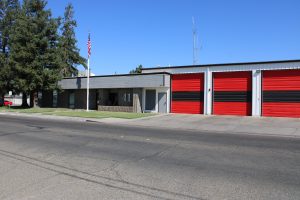
The Atwater City Fire Department is administered by the California Department of Forestry and Fire Protection (CAL FIRE) pursuant to a cooperative fire protection agreement. Policy direction remains with the Atwater City Council and all permanent Fire Department staff are CAL FIRE employees. This cooperative agreement has been in effect since 2008.

Other sites which have useful information are linked here:
-
Atwater Fire Department Annual Reports
-

-

- Install a CO (Carbon Monoxide) alarm that meets the requirements of the current UL 2034 safety standard.
- Install battery-operated CO alarms or CO alarms with battery backup on every level of the home and outside sleeping areas.
- A CO alarm can provide some added protection, but it is no substitute for proper use and upkeep of appliances that can produce CO.
- For best results Install a CO alarm 2'-5' off the floor.
-
- Use a portable fire extinguisher when the fire is confined to a small area, such as a wastebasket, and is not growing; everyone has exited the building; the fire department has been called or is being called; and the room is not filled with smoke.
- To operate a fire extinguisher, remember the word PASS:
- Pull the pin. Hold the extinguisher with the nozzle pointing away from you, and release the locking mechanism.
- Aim low. Point the extinguisher at the base of the fire.
- Squeeze the lever slowly and evenly.
- Sweep the nozzle from side-to-side.
- For the home, select a multi-purpose extinguisher (can be used on all types of home fires) that is large enough to put out a small fire, but not so heavy as to be difficult to handle.
- Choose a fire extinguisher that carries the label of an independent testing laboratory.
- Read the instructions that come with the fire extinguisher and become familiar with its parts and operation before a fire breaks out. Local fire departments or fire equipment distributors often offer hands-on fire extinguisher trainings.
- Install fire extinguishers close to an exit and keep your back to a clear exit when you use the device so you can make an easy escape if the fire cannot be controlled. If the room fills with smoke, leave immediately.
- Know when to go. Fire extinguishers are one element of a fire response plan, but the primary element is safe escape. Every household should have a home fire escape plan and working smoke alarms.
For more information, please visit the Fire extinguishers | NFPA site.
-
-
BBQ's/Cookouts
- Use only charcoal lighter fluid. Once the coals have been ignited, never add more fuel to the Fire.
- Do not wear loose clothing while barbecuing and keep children safely away from the barbecue fire.
- Make sure the barbecue stand is level and steady, keep a water container nearby when the coal is burning and soak the coals when cooking is over to prevent re-ignition.
-
Cars and Traveling
- Allow radiator cap to cool. Never lean over the radiator when opening it.
- When the car is hot, check the metal parts of the seatbelt before fastening, especially on infant car seats. Cover metal parts when possible and always test plastic or leather seats before placing a child into the car.
-
Home
- Test the smoke alarms in your home to make sure they’re working and be certain everyone in your family knows and practices your home fire escape plan.
- Store flammable liquids only in approved safety cans, away from open flames (i.e. water heaters and pilot lights, and out of reach of children.
- Keep any furniture that your children can climb on away from open windows. Children can quickly climb to window ledges or sills and fall.
-
Outside Activities
- Avoid heat-related illnesses by staying well hydrated and eating salty snacks, rest often out of the sun, wear clothing that allows for evaporation (cotton is best) and wear a brimmed hat or cap.
- Wear sun block to avoid serious burns.
- Wear sandals or foot coverings. Severe burns to the bottom of your feet can occur from sand and tarred pavement.
- Standing hose water can be extremely hot and could cause serious burns.
- Never refuel a lawn mower in the garage or other structures always refuel outside. Refuel only when the engine is off and cool.
- When camping, buy a tent made of flame-retardant fabric. A paraffin coated cotton tent can burn up in a few minutes with someone trapped inside.
- Never use candles or matches in or near a tent, use a flashlight.
-
-
- Test the smoke alarms in your home to make sure they’re working, and be certain everyone in your family knows and practices your home fire escape plan.
- Use non-flammable holders and position candles a safe distance from your Christmas tree and other holiday decorations.
- A dry tree is a serious fire hazard, so water yours often. After the holidays, dispose of the tree safely at a recycling center or with your pick-up service.
- Install storm shutters, doors and windows; clear rain gutters; repair roof leaks; and check the structural stability of the roof to sustain unusually heavy weight from the accumulation of water, if drains on flat roofs do not work.
- Avoid areas subject to sudden flooding.
- Do not try to walk across running water more than 6 inches deep; even 6 inches of rapidly running water can sweep you off your feet.
- Do not drive into flooded areas. If your car stalls, abandon it immediately–if you can–and seek higher ground.
- If using kerosene heaters, maintain ventilation to avoid build-up of toxic fumes. Keep heaters at least three feet from flammable objects. Refuel kerosene heaters outside.
-
Fire Reserve Program
Under general supervision, to support firefighting and rescue operations in response to fires, disasters, and other emergency incidents while protecting both life and property; and to perform related work as required. FLSA Status: Non-Exempt. Bargaining Group: Unrepresented.
DISTINGUISHING CHARACTERISTICS
Reserve Firefighters work in a protective service capacity and may work under dangerous or threatening conditions. This position requires the Reserve Firefighter to work well with, and live in close proximity to, others over an extended period of time. Reserve Firefighters are required to meet mental and physical agility standards and requirements, following appointment. Additionally, Reserve Firefighters will be required to successfully complete and maintain the required training for the position. Successfully completing all training, along with meeting all mental/physical standards, is required within a one (1) year time period to maintain City employment as a Reserve Firefighter. This position requires a high level of judgment to ensure that public interests are safeguarded.
-
-
Operations Battalion Chief
Joshua Randol
209-357-6355 -
Battalion Chief - Fire Marshal
Robert Carvalho
209-357-6253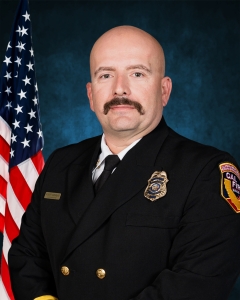
-
Assistant Chief
Mark Pimental
209-385-7344
-
Office Technician
Jennifer Espinosa
209-812-1025 -
Social Media
-
-
Fire Service Transition to CAL FIRE
The Atwater City Fire Department is administered by the California Department of Forestry and Fire Protection (CAL FIRE) pursuant to a cooperative fire protection agreement. Policy direction remains with the Atwater City Council and all permanent Fire Department staff are CAL FIRE employees. This cooperative agreement has been in effect since 2008.
Other sites which have useful information are linked here:
-
Atwater Fire Department Annual Reports
-
-
- Install a CO (Carbon Monoxide) alarm that meets the requirements of the current UL 2034 safety standard.
- Install battery-operated CO alarms or CO alarms with battery backup on every level of the home and outside sleeping areas.
- A CO alarm can provide some added protection, but it is no substitute for proper use and upkeep of appliances that can produce CO.
- For best results Install a CO alarm 2'-5' off the floor.
-
- Use a portable fire extinguisher when the fire is confined to a small area, such as a wastebasket, and is not growing; everyone has exited the building; the fire department has been called or is being called; and the room is not filled with smoke.
- To operate a fire extinguisher, remember the word PASS:
- Pull the pin. Hold the extinguisher with the nozzle pointing away from you, and release the locking mechanism.
- Aim low. Point the extinguisher at the base of the fire.
- Squeeze the lever slowly and evenly.
- Sweep the nozzle from side-to-side.
- For the home, select a multi-purpose extinguisher (can be used on all types of home fires) that is large enough to put out a small fire, but not so heavy as to be difficult to handle.
- Choose a fire extinguisher that carries the label of an independent testing laboratory.
- Read the instructions that come with the fire extinguisher and become familiar with its parts and operation before a fire breaks out. Local fire departments or fire equipment distributors often offer hands-on fire extinguisher trainings.
- Install fire extinguishers close to an exit and keep your back to a clear exit when you use the device so you can make an easy escape if the fire cannot be controlled. If the room fills with smoke, leave immediately.
- Know when to go. Fire extinguishers are one element of a fire response plan, but the primary element is safe escape. Every household should have a home fire escape plan and working smoke alarms.
For more information, please visit the Fire extinguishers | NFPA site.
-
-
BBQ's/Cookouts
- Use only charcoal lighter fluid. Once the coals have been ignited, never add more fuel to the Fire.
- Do not wear loose clothing while barbecuing and keep children safely away from the barbecue fire.
- Make sure the barbecue stand is level and steady, keep a water container nearby when the coal is burning and soak the coals when cooking is over to prevent re-ignition.
-
Cars and Traveling
- Allow radiator cap to cool. Never lean over the radiator when opening it.
- When the car is hot, check the metal parts of the seatbelt before fastening, especially on infant car seats. Cover metal parts when possible and always test plastic or leather seats before placing a child into the car.
-
Home
- Test the smoke alarms in your home to make sure they’re working and be certain everyone in your family knows and practices your home fire escape plan.
- Store flammable liquids only in approved safety cans, away from open flames (i.e. water heaters and pilot lights, and out of reach of children.
- Keep any furniture that your children can climb on away from open windows. Children can quickly climb to window ledges or sills and fall.
-
Outside Activities
- Avoid heat-related illnesses by staying well hydrated and eating salty snacks, rest often out of the sun, wear clothing that allows for evaporation (cotton is best) and wear a brimmed hat or cap.
- Wear sun block to avoid serious burns.
- Wear sandals or foot coverings. Severe burns to the bottom of your feet can occur from sand and tarred pavement.
- Standing hose water can be extremely hot and could cause serious burns.
- Never refuel a lawn mower in the garage or other structures always refuel outside. Refuel only when the engine is off and cool.
- When camping, buy a tent made of flame-retardant fabric. A paraffin coated cotton tent can burn up in a few minutes with someone trapped inside.
- Never use candles or matches in or near a tent, use a flashlight.
-
-
- Test the smoke alarms in your home to make sure they’re working, and be certain everyone in your family knows and practices your home fire escape plan.
- Use non-flammable holders and position candles a safe distance from your Christmas tree and other holiday decorations.
- A dry tree is a serious fire hazard, so water yours often. After the holidays, dispose of the tree safely at a recycling center or with your pick-up service.
- Install storm shutters, doors and windows; clear rain gutters; repair roof leaks; and check the structural stability of the roof to sustain unusually heavy weight from the accumulation of water, if drains on flat roofs do not work.
- Avoid areas subject to sudden flooding.
- Do not try to walk across running water more than 6 inches deep; even 6 inches of rapidly running water can sweep you off your feet.
- Do not drive into flooded areas. If your car stalls, abandon it immediately–if you can–and seek higher ground.
- If using kerosene heaters, maintain ventilation to avoid build-up of toxic fumes. Keep heaters at least three feet from flammable objects. Refuel kerosene heaters outside.
-
Fire Reserve Program
Under general supervision, to support firefighting and rescue operations in response to fires, disasters, and other emergency incidents while protecting both life and property; and to perform related work as required. FLSA Status: Non-Exempt. Bargaining Group: Unrepresented.
DISTINGUISHING CHARACTERISTICS
Reserve Firefighters work in a protective service capacity and may work under dangerous or threatening conditions. This position requires the Reserve Firefighter to work well with, and live in close proximity to, others over an extended period of time. Reserve Firefighters are required to meet mental and physical agility standards and requirements, following appointment. Additionally, Reserve Firefighters will be required to successfully complete and maintain the required training for the position. Successfully completing all training, along with meeting all mental/physical standards, is required within a one (1) year time period to maintain City employment as a Reserve Firefighter. This position requires a high level of judgment to ensure that public interests are safeguarded.
-
-
Operations Battalion Chief
Joshua Randol
209-357-6355 -
Battalion Chief - Fire Marshal
Robert Carvalho
209-357-6253 -
Assistant Chief
Mark Pimental
209-385-7344 -
Office Technician
Jennifer Espinosa
209-812-1025 -
Social Media
-